
Which Side Are You On?
1954. Joshua Rowen has grown powerful and prosperous as head of UMW local, the union his mother founded. At a farewell party for his only son, Scott, who is going to Washington, D.C. to work at union headquarters, Joshua has gathered together his cronies to celebrate. They include James Talbert Winston, the owner of the mine, Franklin Biggs, a successful black businessman, the county judge and the sheriff. When Joshua cuts a deal with these men to insure his re-election as union chief, his compromising of the miner's safety leads to an explosion and the death of his son.
The War on Poverty
1975. At the original Rowen homestead, Franklin Biggs, James Talbert Winston and Joshua Rowen have gathered with guns and liquor to hunt a wolf rumored to be in the region. They discover an old grave with a beaded buckskin cover with the remains of a baby. Joshua Rowen, ousted from his union post, an embarrassment to his friends, and with his many losses, has finally recognized the tragic flaws that have plagued his family for 200 years. His remorse for the greed and stupidity that have stripped the land of its bounty and his family of any legacy, leads him to give the baby a proper burial, placing beside her the gold watch stolen by the first Rowen two centuries ago. As he kneels beside the grave, all of the dead Rowens rise up behind him, and the curse is put to rest at last.
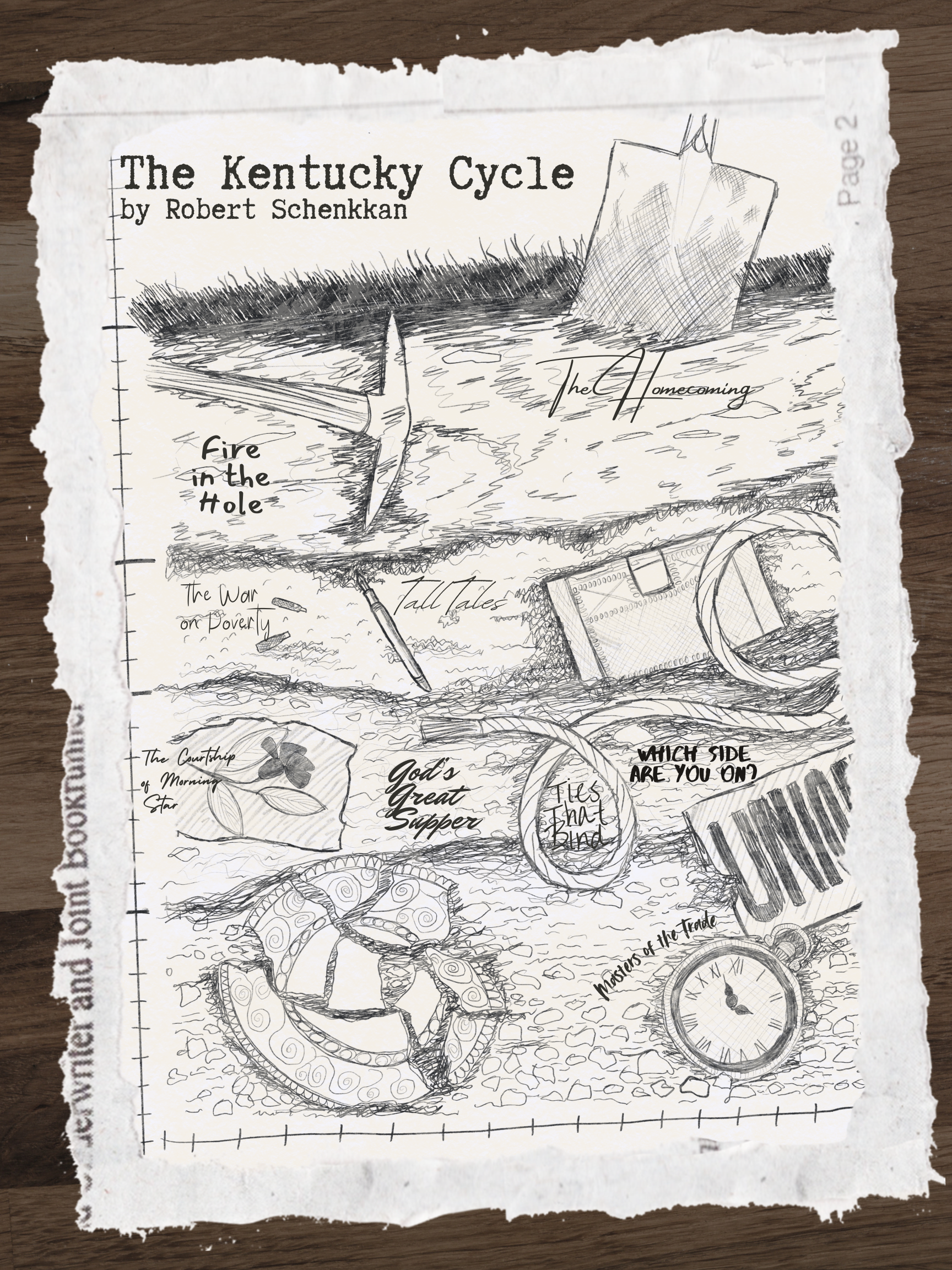
The Kentucky Cycle (Full)
This sweeping epic of three families in eastern Kentucky spans 200 years of American history from 1775 to 1975. Fast-paced and finely drawn, Schenkkan's stunning six-hour, nine-play cycle examines the myths of the American past which have created, for better or for worse, the country we are today. The cycle is epic in style when the plays are performed together, yet each individual play tells a powerful story on its own.
Fire in the Hole
1920. Its coal tipple standing where once there were trees, the Blue Star Mining Company owns the valley. If coal is king, the people of the town are peasants, working like slaves in dangerous mines, paid in script, indebted to the Blue Star for life. Mary Ann Rowen, married to Tommy Jackson, has buried 4 sons and does not want to see her only remaining boy go into the mines. A stranger, Abe Steinman, tries to organize the miners into a union, but is betrayed by Mary Ann's husband during the strike. Abe is hanged and the miners lose heart. Spurning her husband, Mary Ann takes her son Joshua and leads the miners to victory.
Tall Tales
1890. Greed and deceit catch up with Jed Rowen in the guise of JT Wells, a storyteller who arrives one day to flirt with Mary Anne, Jed's pretty young daughter. After charming the Rowen family with his stories, JT convinces Jed to sell the mineral rights to his land. When Mary Anne saves JT's life, he gives her back the deed, telling her the mining company will strip and ruin the land. Mulish and defiant, Jed refuses to tear up the deed and JT's direst predictions for the beautiful valley come to pass.
God's Great Supper
1861. The Rowen family has worked hard and long as poor sharecroppers, their land now owned by Richard Talbert, an arrogant aristocrat and son of Jeremiah. Patrick, now 86 and disabled by a stroke, lives in poverty with the pious Zeke and his family. Richard Talbert convinces Zeke's son, Jed, to join him in fighting with the Confederacy. But Jed, loyal to settling his family's account, murders Richard on the battlefield, and is ushered into the horrors of the Civil War. When Jed returns with his fellow deserters, they burn and destroy the Talbert place, killing the children, slaves and animals, leaving alive only the two Talbert women to witness the slaughter
Ties That Bind
1819. Patrick Rowen, as land hungry as his father before him, fights desperately to keep his land before a corrupt judge about to foreclose on the property. As his sons, Zeke and Zach, watch in horror, Patrick trades off everything he possesses to a stranger who holds the note on the land. When he offers to sell the slave, Sally, and her son, Jessie, Sally pleads for her son, revealing that he is in fact Patrick's brother. Even this does not stop Patrick from sacrificing Jessie. When he has given up everything, the stranger introduces himself as Jeremiah Talbert, the brother of Patrick's dead wife.
The Homecoming
1792. Michael Rowen returns home from Louisville with news that Kentucky has become a state and with a young black slave woman he has bought with the idea of breeding a second family. Morning Star fears his treachery, remembering when he took their infant daughter and buried her alive because he didn't want a girl. Morning Star warns Patrick, now a young man who wants to marry Rebecca Talbert, the daughter of their neighbor Joe Talbert, that Michael will never give him the family land. Enraged, Patrick murders Michael just before the Talberts arrive. Joe Talbert, in love with Morning Star, refuses to overlook the crime. Patrick then kills him, banishes his mother from the homestead, and marries the dead man's daughter.
The Courtship of Morning Star
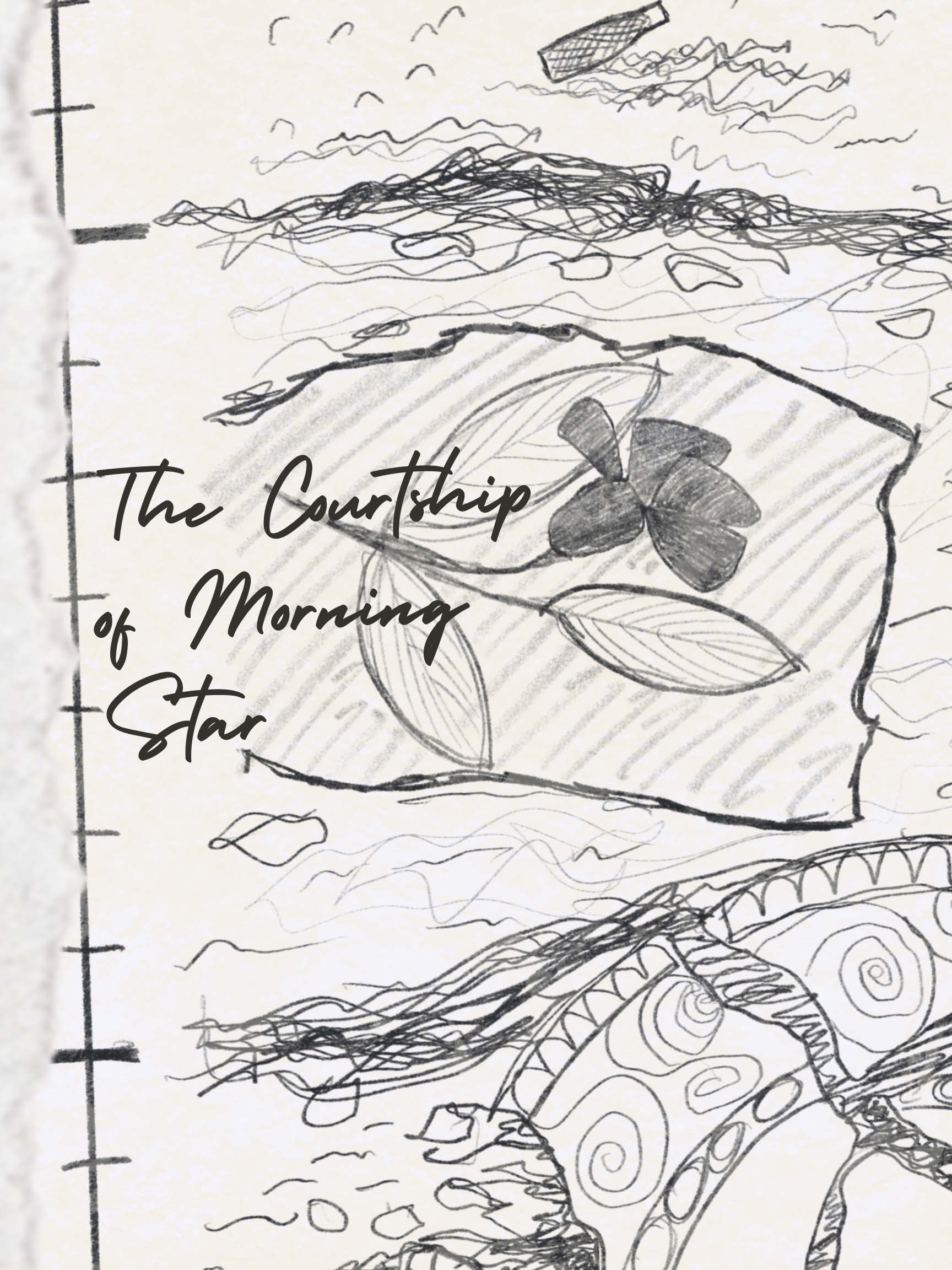
THE COURTSHIP OF MORNING STAR. 1776. Into the hut built on his homestead, Rowen takes a wife by kidnapping Morning Star, a young Indian girl whose tribe has been ravaged by smallpox. To keep her from escaping, he cuts the tendon of her leg. Although she hates Rowen, she loves the child she bears for him, believing the baby to be a true son of her lost people, for whom she mourns the rest of her life.
Masters of the Trade
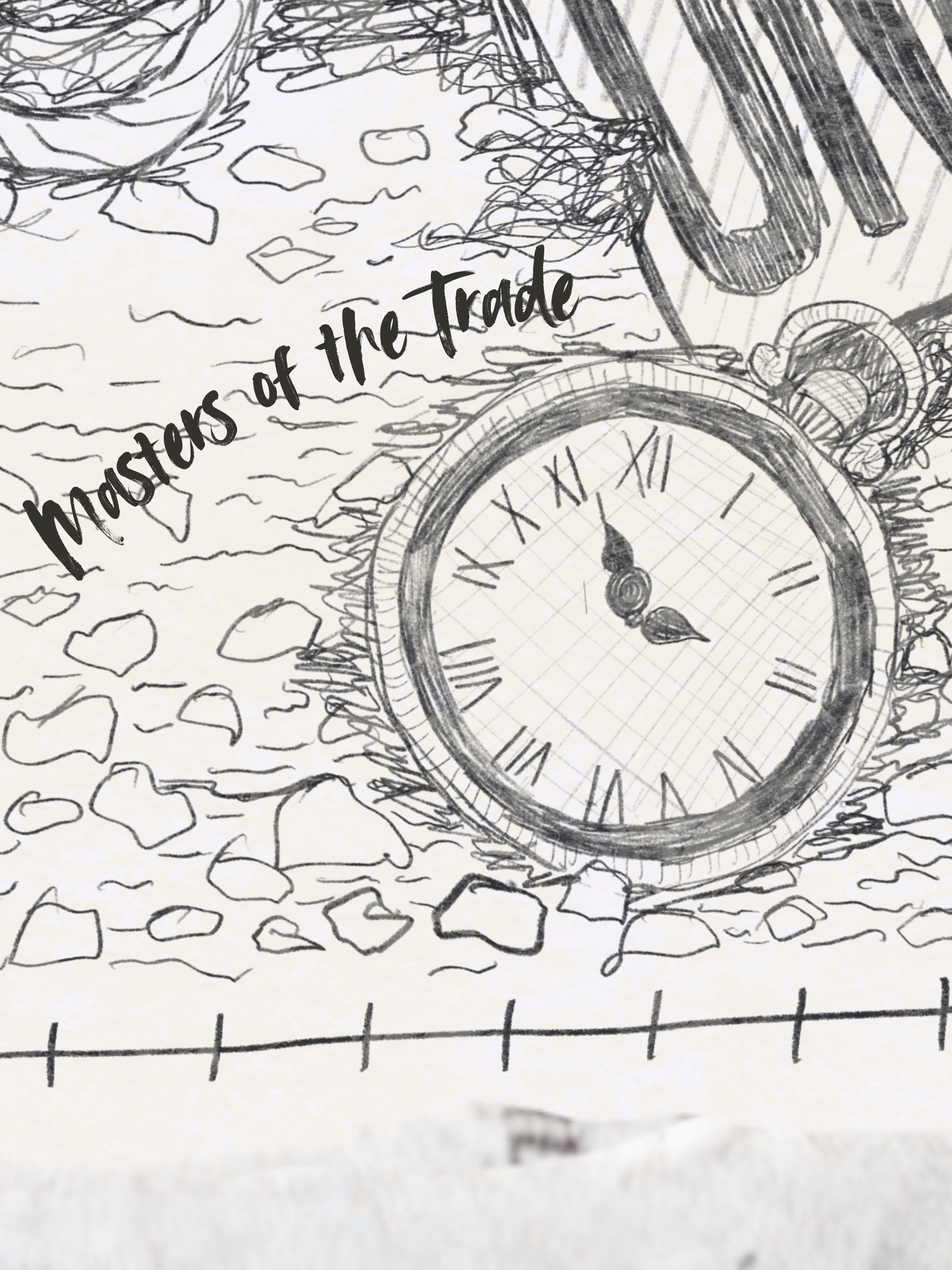
1775. Michael Rowen, an indentured servant from Ireland, watched his wife and children massacred by Indians. Determined to survive in the hostile wilderness of Eastern Kentucky, he swindles an old trapper, murders an innocent boy and sets up gun trade with the Indians. They give him land he craves with a warning that it is haunted; in return, Rowen promises more gunpowder and gives them blankets tainted with smallpox. Clutching a gold watch stolen from the dead trapper, Rowen sets in motion a legacy of corruption that will curse his valley and its people for generations to come.

The Second Shepherd’s Pageant
Is it a nativity play? Is it a comic romp? It’s both! Adapted from the 15th century original authored by the anonymous Wakefield Master, The Second Shepherd’s Pageant is an enchanting concoction of humor and piety that celebrates the first Christmas Eve, when “…shepherds watched their flocks by night.” Join us for a one-of-kind holiday entertainment @ WRP, because where else are you going to see a medieval miracle play this Christmas?

Three Sisters by Anton Chekhov
While Jane Martin’s Anton in Show Business is gracing our Main Stage, we invite you to enjoy a reading of the Chekhov masterpiece that inspired it. The daughters of the late General Prozorov are trapped in the backwater of a remote garrison town, dreaming of returning to their beloved Moscow, a city they barely remember from their childhood. In this, “the most moving of dramas,” a tragedy unfolds, revealing how “life is both nourished and poisoned by the act of hope itself.” (the Daily Telegraph)

Shakespeare’s Julius Caesar
Complementing our Mainstage production of Titus Andronicus, our $5 Play Series continues with another masterpiece from the Bard. Once again, Rome is the scene for a powerful drama of politics and revenge. The assassination of Julius Caesar triggers a brutal power struggle when his killers, led by Brutus (once Caesar’s dear friend) and Cassius, and Mark Antony (Caesar’s former right-hand man) and Octavius (Caesars’ heir).

Talley's Folly by Lanford Wilson
WRP’s $5 Play Reading Series continues with a “a funny, sweet, touching and marvelously written and contrived love poem for an apple and an orange.” (New York Post) The winner of the 1980 Pulitzer Prize for Drama, Talley’s Folly is set in the ornate, deserted Victorian boathouse on the Talley place, just outside Lebanon, Missouri. The year is 1944, and Matt Friedman, an accountant from St. Louis, has arrived to plead his love to SallyTalley, but first he must overcome her doubts and fears about the all-too uncertain future.